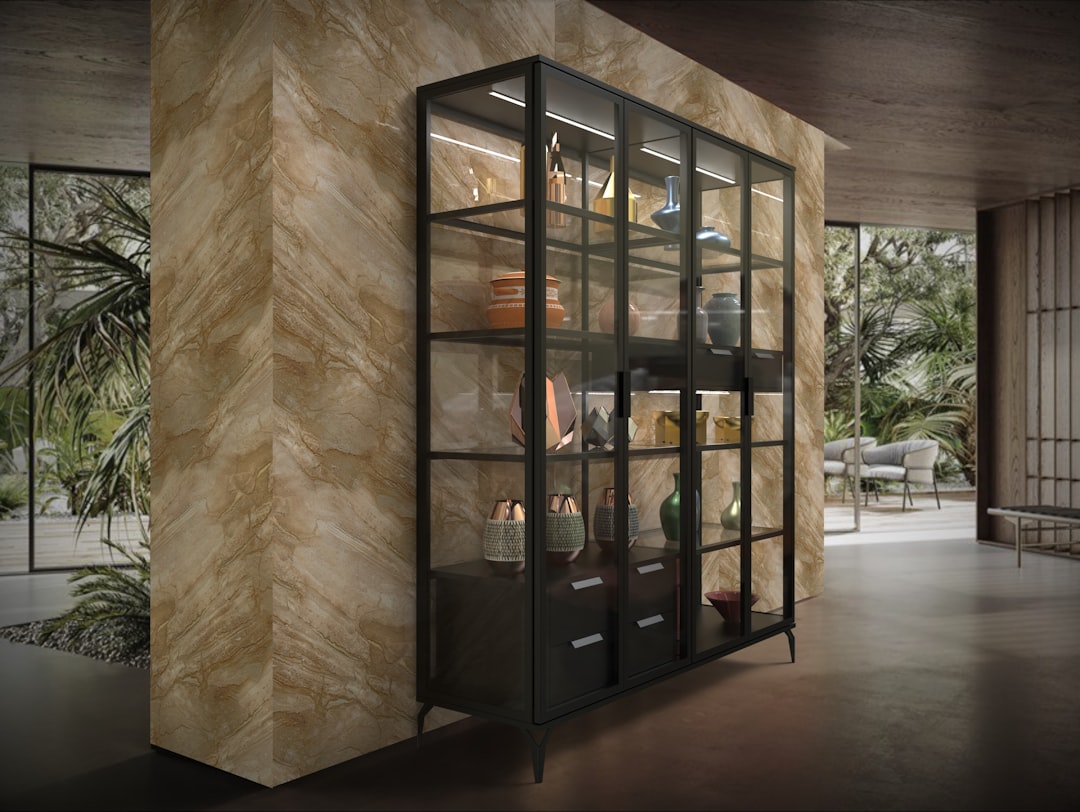
In many HDB master bedrooms, curio cabinets sit quietly against the wall — their glass doors reflecting soft light from the ceiling, their shelves holding china tea sets and family heirlooms. These pieces, often 150–200cm tall and 80–120cm wide, are designed to fit snugly into compact spaces while showcasing treasured collections. In landed properties, they’re more likely to anchor formal living rooms, their presence signalling a homeowner’s appreciation for craftsmanship and display.
The appeal of curio cabinets lies in their ability to organise and protect delicate items without hiding them away. Glass doors keep dust off crystal vases and figurines, while adjustable shelves accommodate everything from tall art glass to small collectibles. In smaller HDB flats, buyers often opt for slimmer models — around 80cm wide — to avoid overwhelming the room. Wider versions, up to 120cm, are more common in landed homes where space isn’t as tight.
Material choices also play a role in how these cabinets blend into Singaporean interiors. Rubberwood frames with tempered glass panels are popular for their durability and neutral tones, while darker finishes like walnut or mahogany add a touch of formality. A display unit blurs the line between storage and styling — open shelving for books and decor up top, closed cabinet sections at the base for the items you don't want on display. Megafurniture's Display Unit range covers tall book racks, cubby-hole designs, stackable units, and ladder shelves in oak, walnut, and MDF veneer finishes. Most pieces span 120cm to 220cm in height — sized for HDB ceilings around 2.6m.. A display cabinet sits in the awkward middle ground between bookshelf and storage cabinet — closed glass-front protection for the items you want visible but not collecting dust. Megafurniture's Display Cabinet range covers glass-front, curio, wall-mounted, freestanding, and smart-cabinet variants in solid wood, MDF, and metal-framed constructions. Average pricing for glass-front variants sits around $271, with LED-lit and motorised-shelf models commanding the higher tier.. Lighting, whether built-in LED strips or external spotlights, is often added to highlight the displayed items — though it’s worth noting that over-lighting can make glassware look garish rather than elegant.
For families with heirlooms or collectors with curated displays, curio cabinets are more than furniture — they’re a way to tell a story. A grandmother’s porcelain tea set, a father’s vintage camera collection, or a child’s growing assortment of figurines all find a place here. The cabinet itself becomes part of the narrative, its design reflecting the homeowner’s taste and the items it holds.
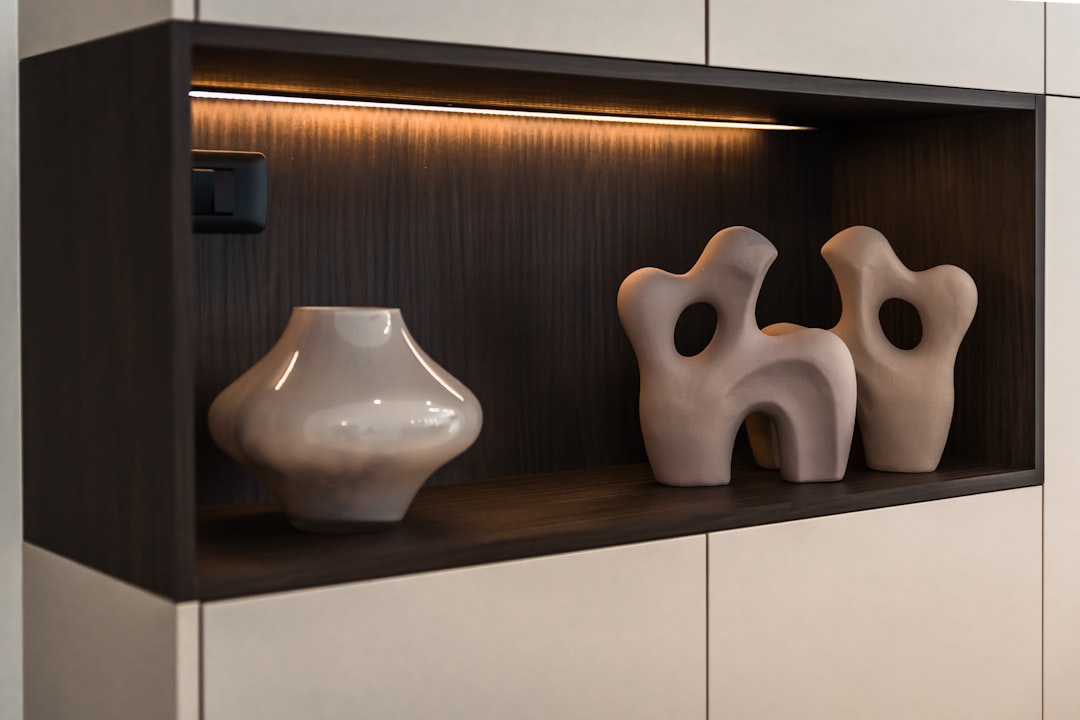
LED strips are a popular choice for curio cabinets due to their energy efficiency and versatility. Puck lights offer focused illumination, perfect for highlighting specific items. Rope lights provide a softer glow, enhancing the overall ambiance of the display.
Place lights at the top of the cabinet to create a downward glow, illuminating the entire display. Mid-level lighting can be used to highlight shelves individually, adding depth. For a dramatic effect, consider placing lights at the base to cast shadows upward.
Warm white lights create a cozy and inviting atmosphere, ideal for traditional displays. Cool white lights offer a modern, crisp look, enhancing the clarity of items. Adjustable color temperature lights provide flexibility, allowing you to change the mood based on the displayed objects.
Singapore’s humidity rarely dips below 80%, and that’s a problem for anyone showcasing delicate collectibles. LED lights with heat-resistant fixtures are a must — they keep temperatures low, preventing warping or discolouration of items like porcelain or art glass. Without them, even a few hours of exposure can damage surfaces irreparably.
For cabinet interiors, moisture-proof lighting is essential, especially in landed homes where air conditioning isn’t always running. Standard fixtures can corrode or short-circuit in high humidity, leaving cabinets dark and items hidden. Look for IP-rated options designed to handle damp environments — they’ll last longer and keep your display well-lit.
Curio cabinets in landed properties face unique challenges. Without consistent climate control, humidity can seep into every corner, affecting both lighting and collectibles. Installing LED strips with sealed casings ensures brightness without risking moisture damage. It’s a small investment that pays off in preservation.
Older homeowners often overlook lighting upgrades, sticking with outdated fixtures that fail in Singapore’s climate. Yet, modern LEDs not only resist humidity but also enhance the display’s appeal — they’re brighter, cooler, and more energy-efficient. For families furnishing formal living rooms, it’s worth considering a switch.
Moisture-proof lighting isn’t just practical; it’s a safeguard for cherished collections. Whether it’s heirloom china or delicate figurines, the right choice ensures they stay pristine for years.
Wine Cabinet .Flanking the TV console remains the classic HDB placement, though newer BTO layouts often demand corner solutions. Measure wall segments between doors and windows first — most display cabinets need at least 90cm clearance for comfortable viewing. East-facing rooms benefit from morning light bouncing off glass shelves, while west-facing ones risk UV damage to heirlooms unless treated. Taller units (180cm+) work best against solid walls, not beneath aircon ledges where dust collects. Consider traffic flow: open-door cabinets need 50cm swing space in narrow corridors.
Condos typically anchor cabinets between buffet counters and dining sets, creating a formal display zone. For landed properties, mirrored backs amplify natural light from French doors or bay windows. Stick to 120cm widths maximum in compact spaces — anything wider overwhelms six-seater tables. TV Console . Glass-fronted units prevent visual clutter when viewed from living areas, while open shelving suits frequently used dinnerware. Mind the chandelier height; 30cm clearance prevents awkward shadows on displayed items.
Built-in wardrobes often leave awkward 60cm gaps perfect for slim display towers. These become natural focal points opposite bedframes in HDB master bedrooms. Opt for integrated LED lighting at 3000K warmth to avoid clinical museum vibes. Depth matters more than width here — 35cm shelves accommodate perfume bottles and watches without protruding into walkways. Floating designs maintain airiness in 12sqm rooms where floor space is precious.
Console-height cabinets (75cm) with display tops transform dead space near front doors. They're ideal for rotating seasonal pieces or catching keys and mail. Choose moisture-resistant finishes like powder-coated steel for humid corridor environments. Glass upper sections maintain sightlines in tight entryways, while solid bases hide shoe storage. Positioning is key: 1.2m from the door avoids congestion during grocery hauls.
Weatherproof acrylic cabinets bring collections to underutilized balcony corners. They withstand Singapore's humidity better than MDF alternatives when properly sealed. East-facing balconies demand UV-filtering glass to protect delicate items from morning glare. Keep depths shallow (25cm max) to preserve standing space for plants or folding chairs. Wall-mounted variants free up floor area in 1.5m-wide service balconies common in older flats.
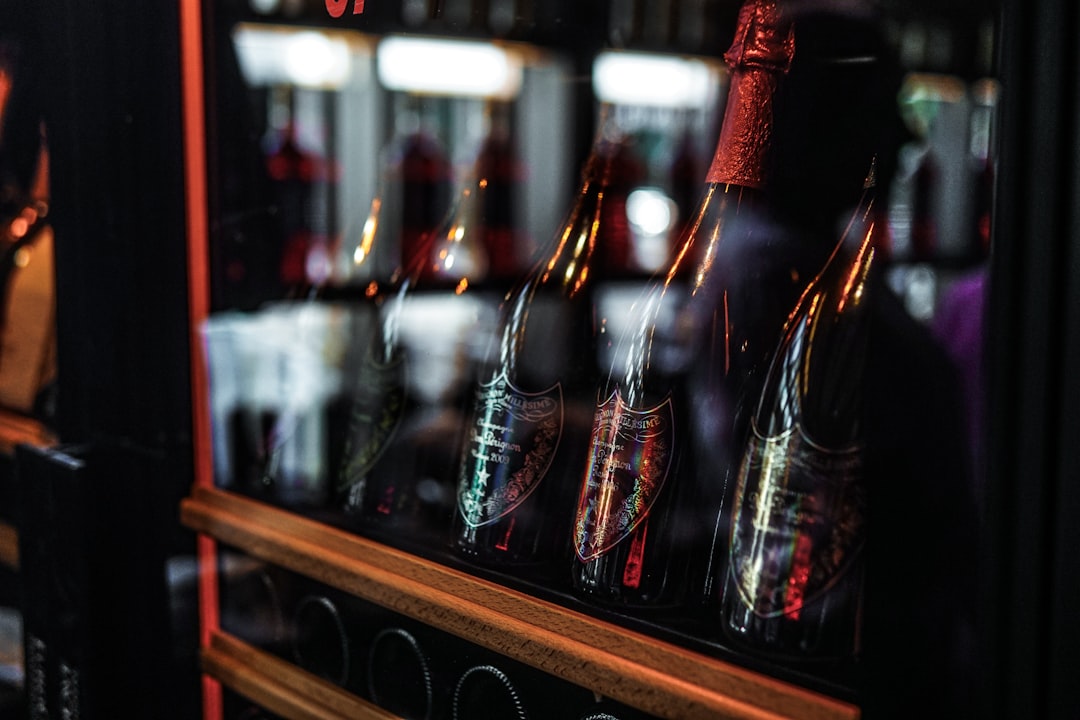
Glass shelves fog up within months in Singapore’s humidity—tempered versions resist clouding, though they’ll still need weekly wiping down. Wine cabinets sit between display cabinet and refrigerator in function — the bottles need correct temperature and humidity to age properly, but the cabinet itself often doubles as a visible piece of furniture. Megafurniture's Coffee Table collection includes freestanding, built-in, and dual-zone designs with bottle capacities from a dozen up to several hundred. Glass-front models with LED lighting effectively turn into a display cabinet for the collection.. Solid wood frames fare better than engineered alternatives; teak and nyatoh naturally repel moisture, while rubberwood’s stability makes it a budget-friendly option for display cabinets near open windows. MDF warps irreversibly when exposed to dampness—fine for air-conditioned condos, but risky in landed properties where monsoon rains blow past porch screens.
For lighting, LED strips beat puck lights in durability. The adhesive fails eventually, but at least you won’t be replacing corroded AA batteries every six months. Stick to warm white (2700K–3000K) to avoid the clinical glare that makes heirloom porcelain look like laboratory specimens.
The back panel matters as much as the shelves. Avoid thin plywood backing in favour of marine-grade ply or sealed hardboard, especially if mounting the cabinet against an exterior wall prone to condensation. Older HDB flats in Eunos or Bedok often have uneven concrete surfaces that stress weak joinery over time—look for cabinets with metal corner braces or dovetail joints.
Hardware rusts faster here than sales brochures admit. Check hinge mechanisms for stainless steel or zinc alloy coatings; anything labelled “brushed nickel” usually lasts three years before pitting. Glass doors should have silicone seals along the edges to slow moisture ingress—though in practice, most collectors leave them slightly ajar to prevent mustiness anyway.
Megafurniture’s display cabinets use powder-coated metal frames—a pragmatic choice for coastal areas like Pasir Ris, where salt accelerates corrosion. Their glass shelves are thick enough to support crystal decanters without bowing, though you’ll still want to rotate heavy items periodically to prevent etching.
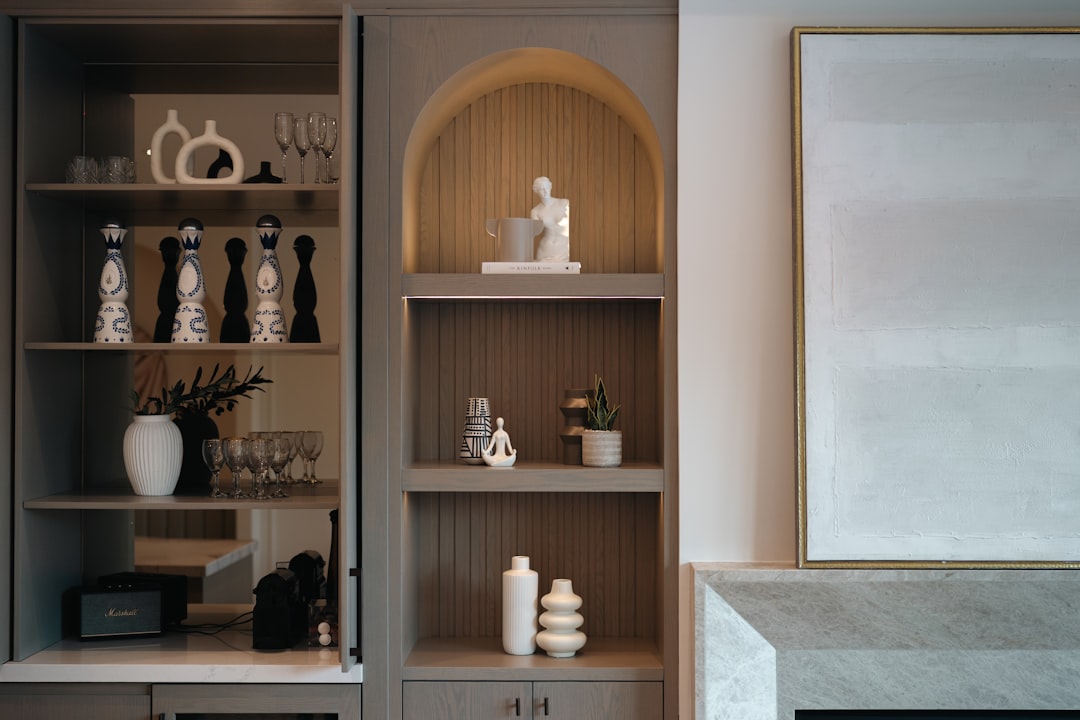
A collector in Ang Mo Kio spent $1,800 on a display cabinet last year—only to find their prized Lladró figurines didn’t fit. The culprit? Cabinet depth. Most Singapore buyers fixate on height and width, forgetting that 30–40cm is the sweet spot for displaying art glass and collectibles without crowding; anything deeper turns into dead space, while shallower shelves force items too close to the glass.
Warranty oversights hurt just as much. Humidity warps wood veneers within 18 months in neighbourhoods like Pasir Ris or Punggol, yet buyers often skip the fine print. A 3-year protection plan—like Megafurniture’s—covers hinge repairs and glass panel replacements, which matter more than a $200 price difference when you’re safeguarding heirlooms.
Then there’s the lighting trap. LED strips might seem like an afterthought, but collections lose half their impact under harsh cool-white bulbs. Warm 2700K lighting flatters crystal without fading silk-lined interiors—a detail that separates showroom pieces from those that just hold dust.
Some assume all display cabinets work for all items. Not true. A Baccarat decanter needs 35cm clearance to avoid clinking, while ceramic plates demand adjustable shelves. That’s why serious collectors measure their tallest piece twice before committing.
The worst mistake? Treating the cabinet as furniture first, display second. Buffet Hutch . In a 4-room BTO’s living room, it’s the focal point—not storage. Buyers who prioritise looks over function end up with mirrored backs that show fingerprints or glass too thin to muffle MRT rumbles.
Walking into a showroom lets you see the cabinet’s finish under real lighting—something online images can’t capture. At Megafurniture’s Joo Seng and Tampines locations, you’ll find over 20 cabinet designs, from classic curio styles to modern open-fronted units. Test LED strip lights against glass shelves, or see how natural daylight interacts with frosted glass panels. It’s a chance to assess durability firsthand: check hinges, drawer slides, and the weight of the materials.
Staff are trained to guide buyers through specifics like assembly and delivery. For landed properties, they’ll advise on navigating narrow staircases or tight corners; for HDB flats, they’ll confirm if the cabinet fits a 12 sqm living room. You’ll also get clarity on lead times—critical if you’re furnishing a formal space for Chinese New Year or a family reunion.
Most homeowners don’t realise how much the wrong lighting can dull their collections. A curio cabinet with poorly placed LEDs might cast shadows on delicate porcelain, while overly bright strips can wash out the details of art glass. In the showroom, you can adjust the lighting settings to match your display needs. A TV console anchors the wall opposite the sofa in the same way a display cabinet anchors a corner — long horizontal piece, open and closed storage, defines the visual weight of one whole side of the room. Megafurniture's Chest of Drawers range covers floating wall-mounted designs, low-profile freestanding consoles, and modular feature-wall configurations. Most pieces sit at 40-50cm height, sized for screens up to 75 inches.. It’s a small detail, but one that makes a difference when you’re showcasing heirlooms or figurines.
For those unsure about style, seeing cabinets in person helps narrow choices. A walnut finish might look warm online but clash with your teak flooring; a sleek black unit could overpower a cosy 4-room BTO living room. The showroom’s curated setups—complete with sample displays—give a clearer sense of how the cabinet will fit into your space.
Planning delivery? Staff can walk you through the process, from scheduling to unpacking. They’ll also confirm if the cabinet requires professional assembly—useful for older homeowners or those unfamiliar with flat-pack furniture. It’s a practical step that saves headaches later.
Landed property owners know the drill: that gorgeous 180cm curio cabinet won’t make it past the front gate if the delivery truck can’t navigate narrow driveways or tight service roads. Door-to-door service isn’t just convenient—it’s often the only way display cabinets reach their final position in terrace houses or bungalows with constrained access.
Assembly gets trickier with lighting. Most buyers don’t realise integrated LED strips or puck lights require proper electrical checks; a poorly installed transformer can flicker or fail within months. That’s why 12-month warranty coverage on electrical components matters—especially for cabinets housing delicate heirlooms where consistent lighting is non-negotiable.
The real test comes with positioning. A 200cm cabinet looks manageable on paper until you’re manoeuvring it around a spiral staircase or through a 90cm doorway. The coffee table sat in front of the sofa and the display cabinet sat behind it together define the geometry of most Singapore living rooms — get the proportion wrong and the room never quite settles. Megafurniture's Living Room Furniture range covers wood, sintered stone, glass, and metal-framed designs in round, rectangular, and nested formats. Storage variants with drawers or lift-top tops run useful in compact HDB living rooms.. Experienced delivery crews will disassemble doors or shelving on-site if needed, but that’s only helpful if the base frame fits through the tightest choke point.
Older collectors tend to underestimate weight, too. A fully loaded china cabinet with glass shelves and lighting fixtures can push 80kg—not something you’ll want to nudge into place after the delivery team leaves.
Lighting setup often gets rushed. Technicians might secure wiring hastily where it’s least visible, which works until you need to replace a transformer tucked behind the back panel. Always verify access points during assembly—what’s convenient for installers isn’t always practical for long-term maintenance.
How to clean tempered glass shelves? Use a microfiber cloth and a mild glass cleaner — avoid ammonia-based sprays, as they can leave streaks. For stubborn fingerprints, a mix of white vinegar and distilled water works well. Always wipe in circular motions to prevent scratches, and dry immediately with a lint-free cloth to avoid water spots.
Can LED lights damage delicate items? LED lights are generally safe, but prolonged exposure to heat or UV emissions can affect sensitive materials like antique fabrics or fading-prone pigments. Opt for cool-white LEDs with a colour temperature around 4000K — they emit minimal heat and won’t discolour your collectibles.
What’s the ideal cabinet height for HDB ceilings? Most HDB flats have ceiling heights of 2.4m to 2.8m, so a cabinet around 180cm tall leaves enough clearance for dusting and avoids overwhelming the space. If you’re displaying taller items like vases or sculptures, consider a 200cm unit, but ensure it’s anchored securely to prevent tipping in smaller rooms.
For homeowners with collections that span decades, it’s worth noting that curio cabinets aren’t just storage — they’re a way to preserve memories. A well-chosen cabinet can turn a 4-room BTO living room into a gallery of personal history.
Browse the options to find a display cabinet that fits your space and keeps your treasures safe.
A curio cabinet that fits perfectly in a 4-room BTO living room might overwhelm a 12 sqm HDB common bedroom — which is why buyers often underestimate the importance of measuring their space first. Humidity levels in Singapore, typically around 70%, can warp solid wood or damage delicate finishes over time; opting for humidity-resistant materials like sintered stone or treated rubberwood ensures longevity. Warranty terms matter too — a 5-year warranty on cabinet hardware beats a 1-year offer, especially when glass doors and lighting systems are involved.
Showrooms are the final checkpoint for buyers. Seeing a cabinet in person reveals details photos can’t capture — the warmth of LED lighting, the texture of bouclé finishes, or how a 200cm-tall unit feels in a room with 2.6m ceilings. Placement matters just as much; a modern open-fronted display unit might suit a minimalist landed property, while a traditional china cabinet fits formal living rooms better.
Lighting can make or break a display. Warm LEDs highlight crystal glassware without glare, while cool whites enhance art glass and figurines. Tailoring the lighting to your collection ensures each piece stands out — and avoids the museum-like feel of overbright cabinets.
For personalised advice, visiting a showroom lets buyers test cabinet features in person. It’s the final step before committing to a piece that’ll showcase treasured collections for years to come.